
The Hidden Secret Inside Cheap Gloves (What Most Suppliers Never Tell You)
Why do cheap gloves rip and lose shape? Discover the hidden shortcuts bad suppliers take on padding, leather, and stitching before placing an order.
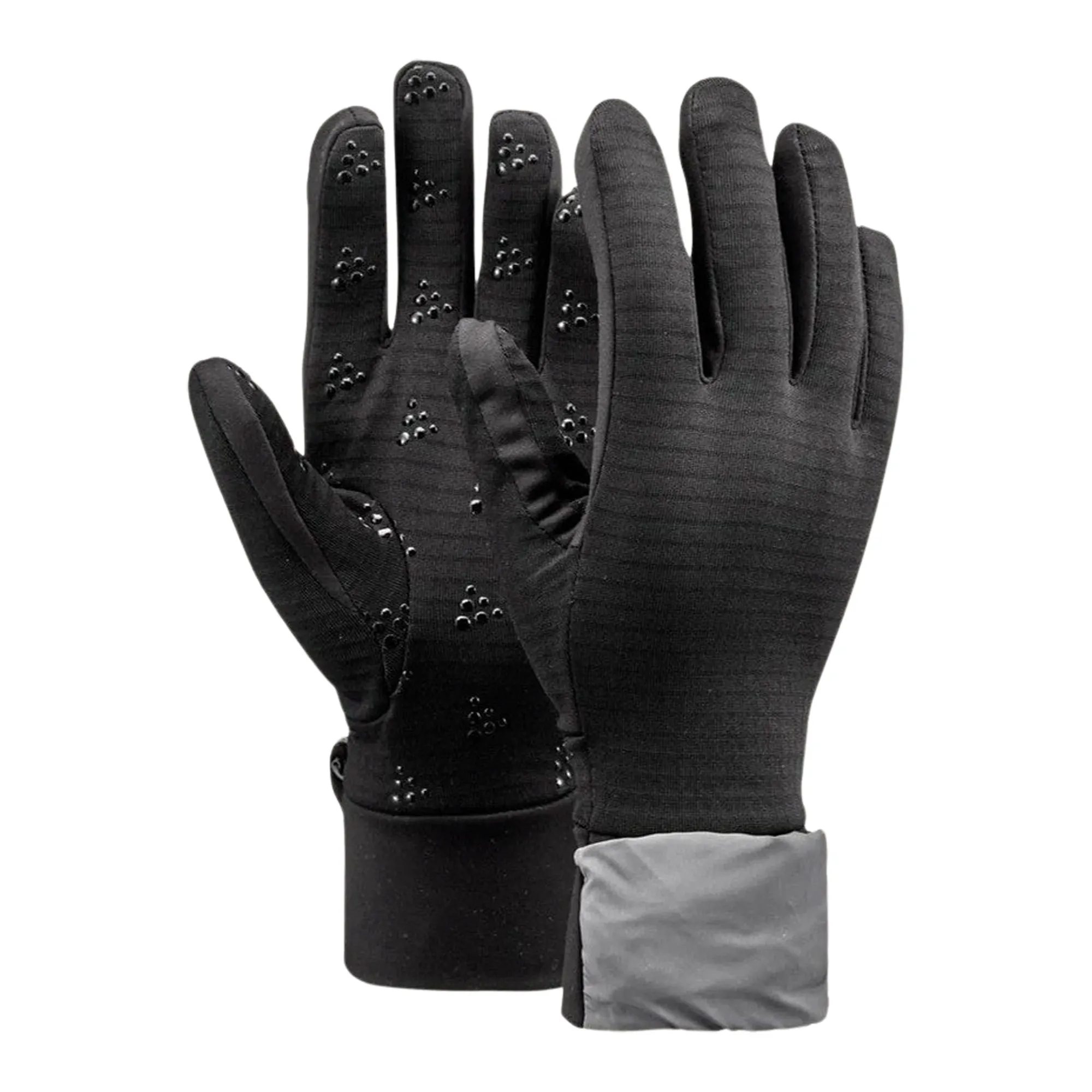
Most buyers discover a bad manufacturer only after opening the shipping container.
On the outside, the sample looked clean. The leather was shiny. The logo was crisp.
Then the shipment arrived at the warehouse, customers started training or working in them, and within four weeks, the bad reviews poured in:
- Wrists hurting.
- Padding shifting out of place.
- Seams ripping at the thumb.
Why does a glove look identical in photos but fail completely in real life?
Here is what really happens behind closed doors when a factory quotes an unrealistically low price.
Secret #1: The Padding You Are Not Supposed to See
The most expensive part of a glove is not the outside leather—it is the inside padding.
To give an impossibly cheap price, factories cut costs where nobody can look:
- They use reconstituted scrap foam (discarded mattress cut-offs glued together with chemical solvents).
- Within a month of use, sweat breaks down that glue. The scraps separate, forming hard lumps and empty pockets.
- When an athlete hits a heavy bag or a worker handles tools, there is zero shock absorption left.
How we do it:
We use layered, high-density EVA and latex sheets or calibrated one-piece injection molds. Before any glove is stitched shut, the padding core is weighed and balanced. We gladly show buyers raw photos of the open core before the seams are closed.
Secret #2: Belly Leather vs. Top-Grain Leather
Not all genuine leather is equal.
A single cowhide has two regions:
- The back and shoulders (dense, strong, stretch-resistant).
- The flank and belly (loose, thin, overly stretchy).
Cheap suppliers squeeze every square inch out of a hide to save dollars. They cut critical glove stress zones—like the palm and thumb attachments—from weak belly leather. After three heavy sessions, the thumb seam stretches out and rips.
The honest way:
High-wear stress zones must only be cut from prime hide sections. The loose belly cuts get rejected. It uses more material, but the glove never tears.
Secret #3: Cheap Thread vs. Bonded Nylon
Why do gloves burst at the seams?
Cotton and low-grade polyester thread dissolve when exposed to acidic human sweat. Double-stitching means nothing if the thread itself rots from the inside.
A professional maker uses heavy-duty, bonded nylon thread. It does not stretch, it does not rot, and it locks each panel together permanently under high tension.
Secret #4: The "Weight Scam"
Many overseas buyers order a 16 oz boxing glove, but when they place it on a scale, it weighs 13.8 oz.
Why? Because shaving 2 ounces of padding across 2,000 pairs saves a factory hundreds of pounds of raw material.
A serious glove maker weighs gloves at three stages:
- When cutting the foam.
- After inner assembly.
- Before final boxing.
If a glove says 14 oz or 16 oz, it must register exactly that on an international digital scale.
How to Protect Your Brand
You don't need to visit the factory in person to verify quality. You just need to ask the right questions:
- "Can you send me a video of the raw padding core before stitching?"
- "What type and weight of thread do you run on the seam lines?"
- "Can you weight-check my pre-shipment samples on video?"
A factory that takes shortcuts will make excuses. An honest manufacturer will gladly send the videos within an hour.
Tired of supplier surprises and inconsistent quality?
Send us your specs, and we will build a verified sample with complete photo proof of every layer inside.
Launch Your Own Combat Sports Brand With Us
Gearters Sports designs and manufactures world-class boxing gloves, MMA protectors, and combat apparel for international gyms, promotions, and retail brands. Custom logos, bespoke leather choices, and low MOQs available.
